Splash Chair
Challenge:
Gain knowledge of furniture design and historical periods, use appropriate and interesting ways to define shape, use color to define form, provide an interesting will-crafted furniture piece, and express visually form concepts.
Part 1 Thoughts
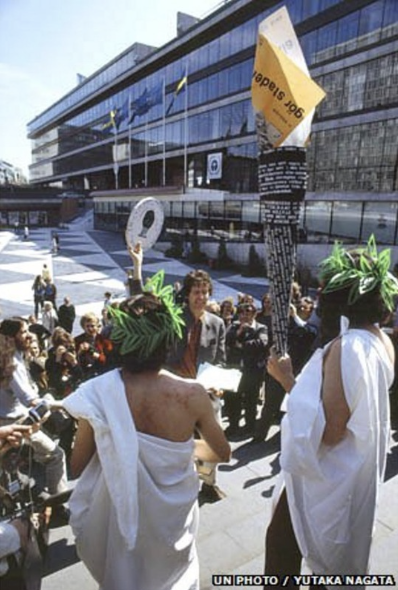
Just getting started, this project is proven to be much less personal but is able to continuously captivating my attention and energy. Incorporating historical aspects and research gives the design a much more different approach than the creative freedom we have previously been granted. It is rewarding to use what we have learned in class, learning about forms and dimension, and use it to dissect a professional textile, all the while brainstorming for our own designs. While researching, I really wanted to showcase what was happening in Sweden in the 1970s. While the organic nature and delicate patterns of the textile was enough to spark brainstorming, I thought the furniture could mean much more if it could remind someone of the past and the growth Sweden has made since then. From this, I was able to draw ideas from several environmental movements, all the while never straying far from the physical characteristics of my textile.
For the first time, we were working with the human scale (although keeping to miniature), something we have never had to directly incorporate into our projects other than the masks, which still looked pretty funky on. Throughout this past week, we have explored many furniture designers whom have made some of the most crucial elements to interior design in their careers. Many of them described their passion for furniture design; how they never started off with it in mind. After just the first phase, making these 2-d sketches, I understand where that love grew from. I could see it happening to myself. For this upcoming week, I am excited to begin a more narrowed process on the making of my chair!
Research
Just getting started, this project is proven to be much less personal but is able to continuously captivating my attention and energy. Incorporating historical aspects and research gives the design a much more different approach than the creative freedom we have previously been granted. It is rewarding to use what we have learned in class, learning about forms and dimension, and use it to dissect a professional textile, all the while brainstorming for our own designs. While researching, I really wanted to showcase what was happening in Sweden in the 1970s. While the organic nature and delicate patterns of the textile was enough to spark brainstorming, I thought the furniture could mean much more if it could remind someone of the past and the growth Sweden has made since then. From this, I was able to draw ideas from several environmental movements, all the while never straying far from the physical characteristics of my textile.
For the first time, we were working with the human scale (although keeping to miniature), something we have never had to directly incorporate into our projects other than the masks, which still looked pretty funky on. Throughout this past week, we have explored many furniture designers whom have made some of the most crucial elements to interior design in their careers. Many of them described their passion for furniture design; how they never started off with it in mind. After just the first phase, making these 2-d sketches, I understand where that love grew from. I could see it happening to myself. For this upcoming week, I am excited to begin a more narrowed process on the making of my chair!
Highlighting the dominating form
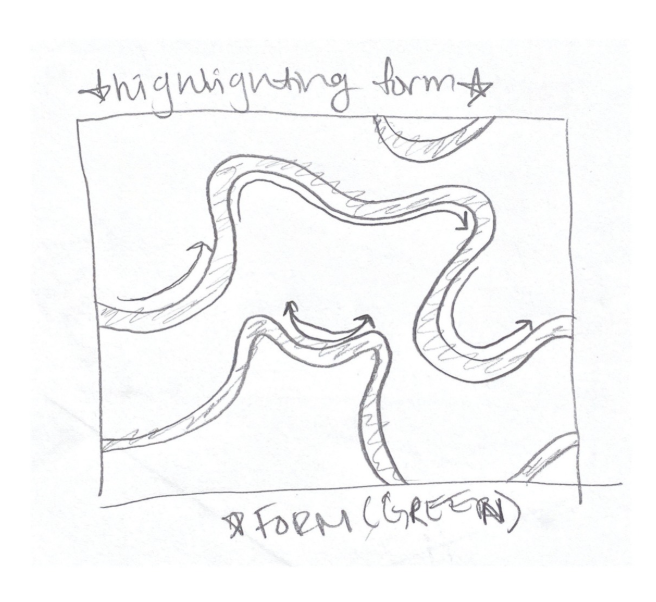
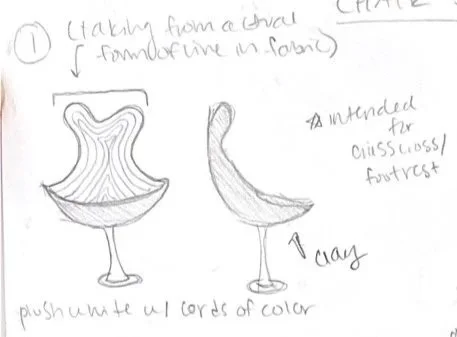
While sketching, I was really only focusing on the dominating dorms of the textile. In this case, it would be the green snake-like figures. I used those to influence the backside of the chair.
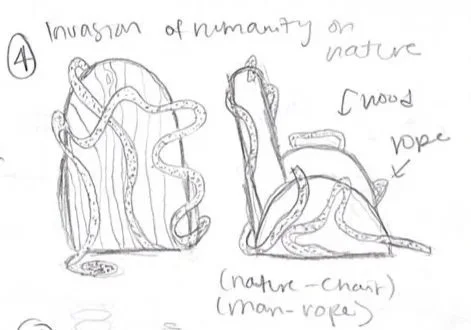
A majority of the chairs are influenced by human affect on the Earth. This chair is focusing specifically on the rise of the Green Generation in Sweden in the 1970s. The chair is the past: the ropes are human activity invading nature (wood plank)
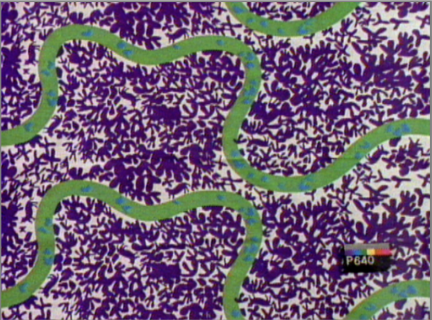
P640 / Country: Sweden / Year: 1971-1972 Title: Cats / Technique: Printed, Weaving on Cotton / Artist: Fristedt, Sven
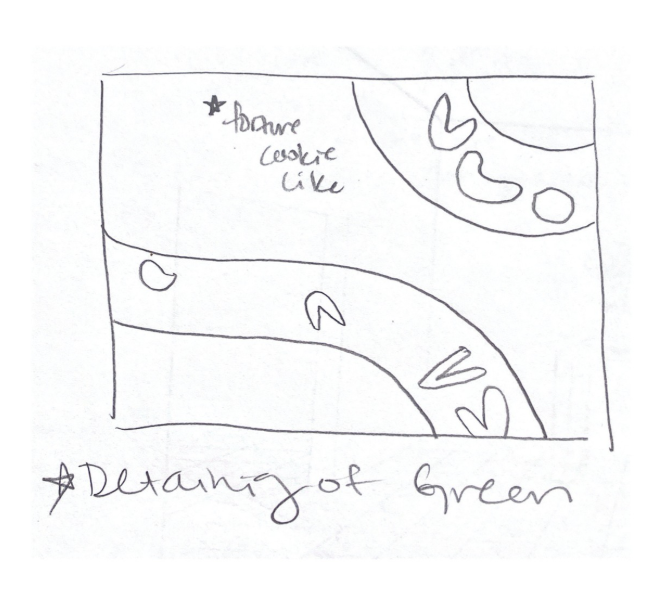
Take away from fabric (visual):-Fabric contrast of green and purple forms reminds me of intrusion of man onto the environment, just as what was happening and being focused on in the time period.-The purple is a harsh contrast, almost fighting back just as Sweden did.-very organic shapes, soft edges, and no sharp linear forms-purple shapes vary, seem to have three arms and green has minor detailing-animals incorporated into purple pattern
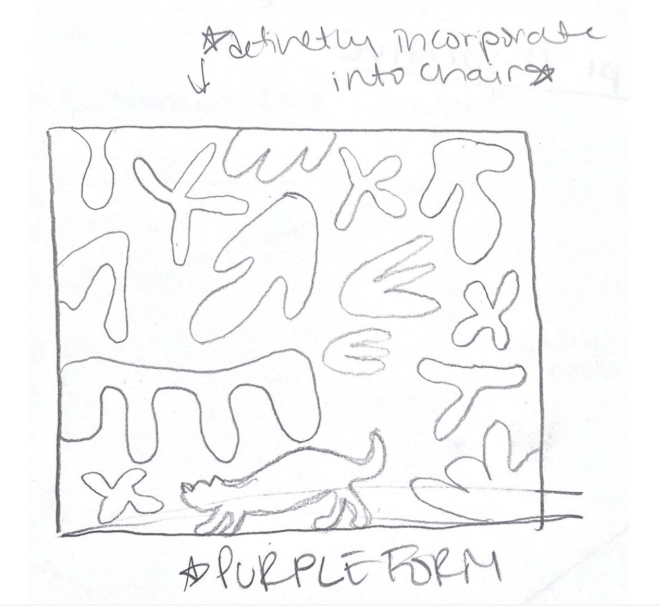
Focusing on detail of purple forms
Sketch
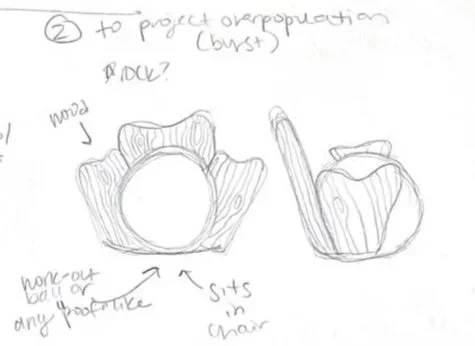
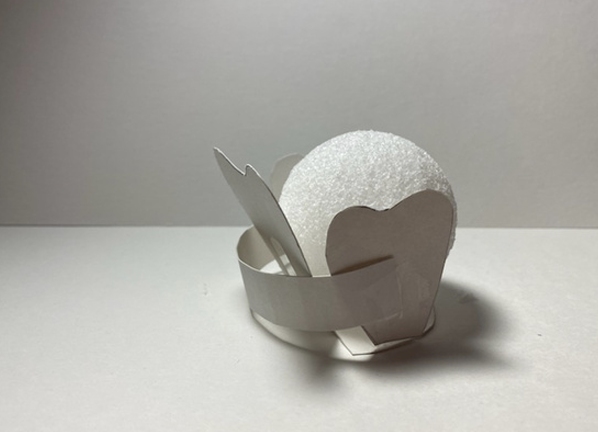
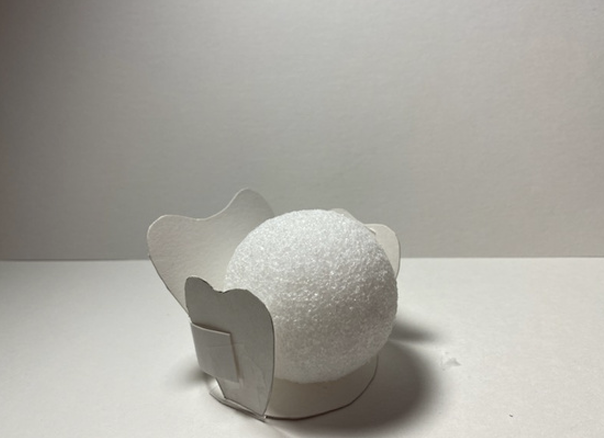
This chair represent the overpopulation studied the year the textile was designed. The wooden planks serve as the structure of the chair and represent the Earth's limits of support for human growth. The ball inside represents the human population and the 'pushing of the limits' that is taking place.
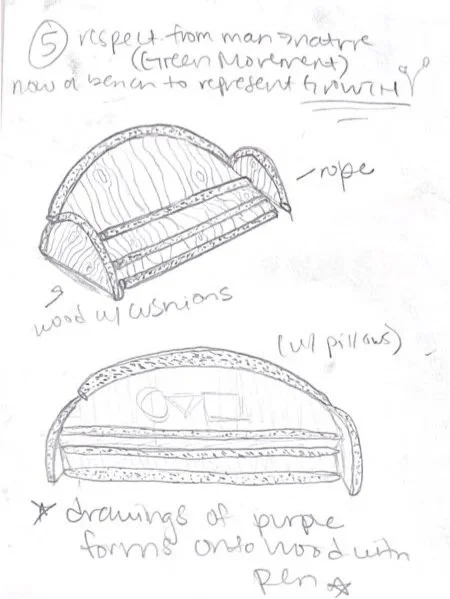
Chair 5 is an 'after' version of Chair 4; what the future will look like with the Green Generation affiliation. The chair to bench represent growth, no only green-wise but awareness-wise as well. The ropes are no longer invading but instead boarder and protect, living simultaneously. If continued, I would use the purple forms seen on the textile on the wooden planks
Part 2 Thoughts
When narrowing down to three final chairs, and going further with the production of prototypes, we were truly testing our ability to design for the people. With applying real life human scale and studying ergonomics, this is the first product truly intentional for interior design- a whole new wave of excitement and pressure. The detailed drawings helped me in focusing on the details that would sell It or stay on the shelves to collect dust. They also made me remember to always go back to the textile for inspiration as that is where the majority of the details are coming from. I also found the most stress with these drawings as I was concerned on focusing on the wrong details along with time restraints (everything ended up working out!)
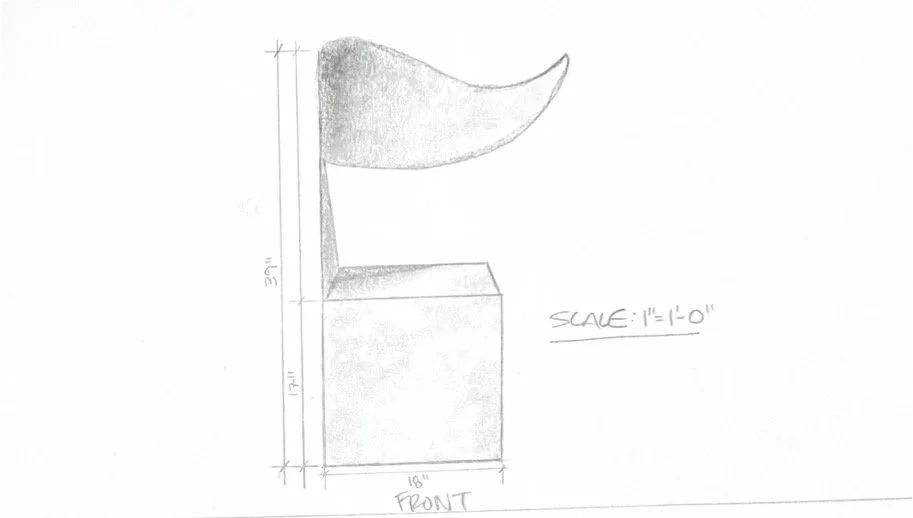
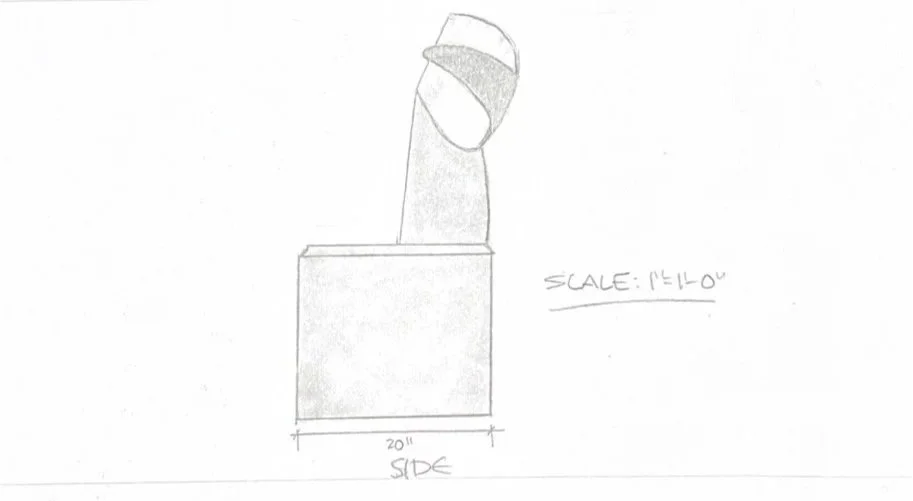
I had a lot of fun building the prototypes. Playing around with different mediums and fitting the chairs together to become not only fashionable but functional now. The elevation drawings putting everything into a scaled sense furthered my understanding of how the chair should be built and used.
Detailed Sketches
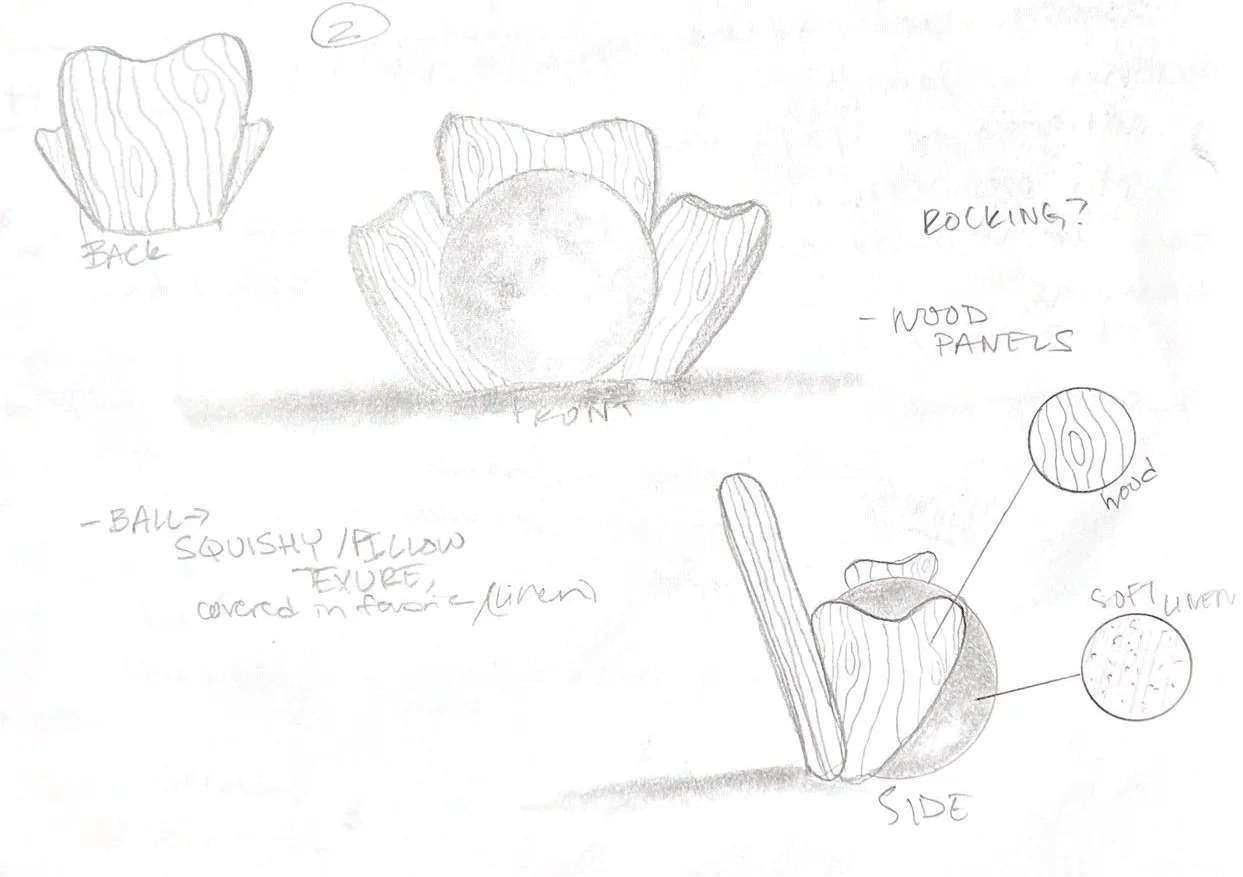
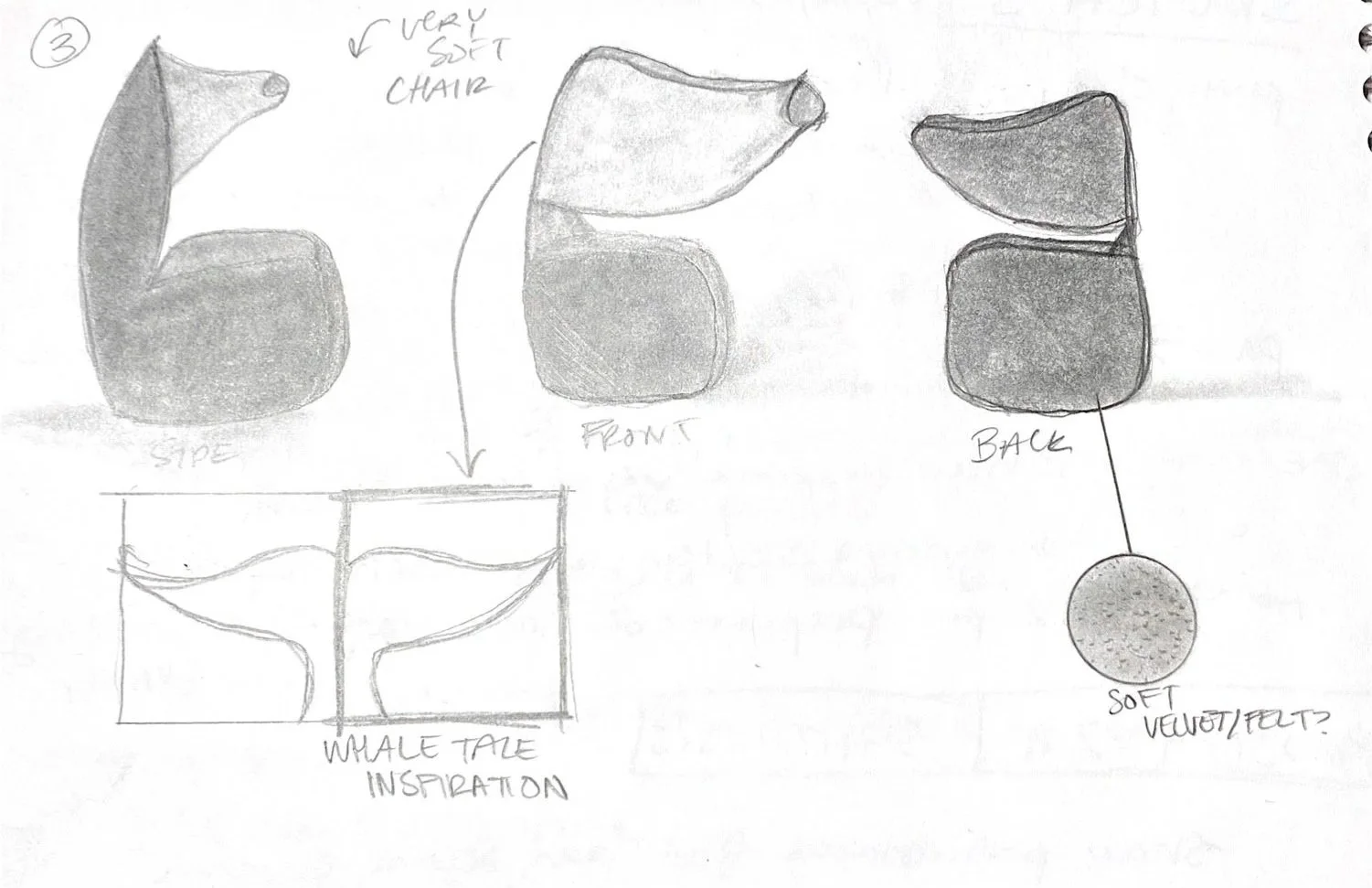
No. 2
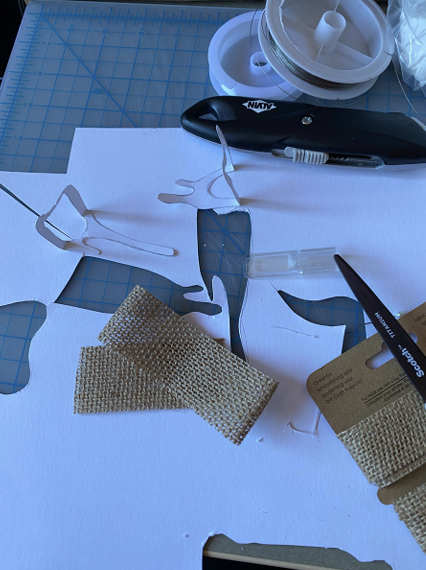
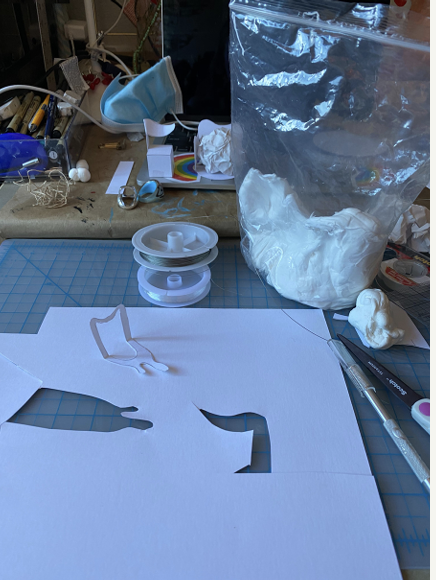
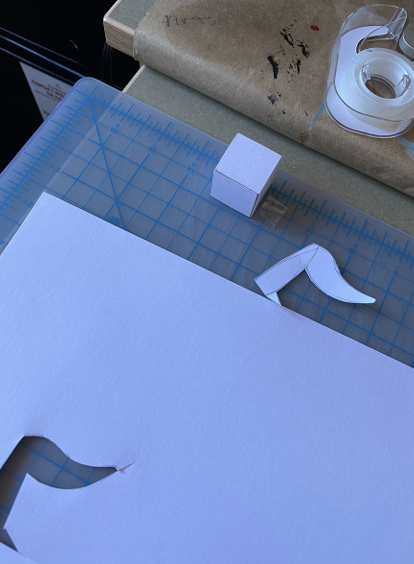
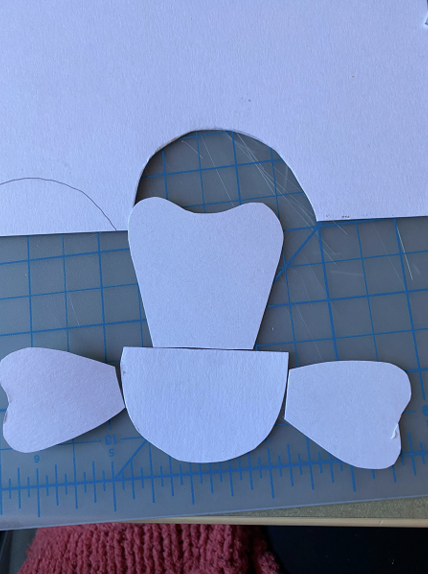
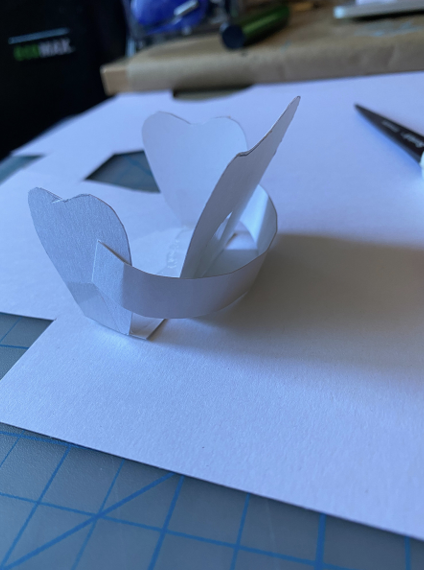
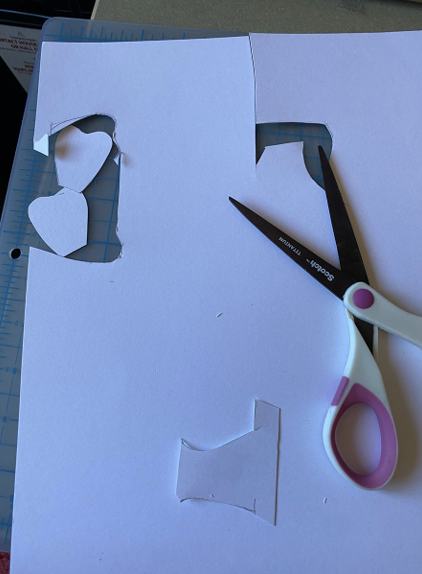
Prototype Working Process
Focusing on detail on green form
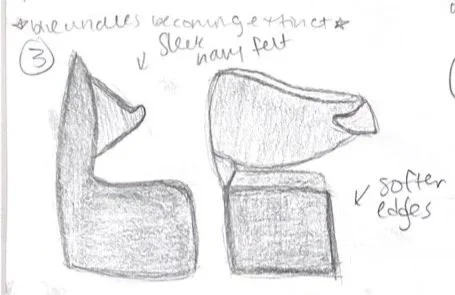
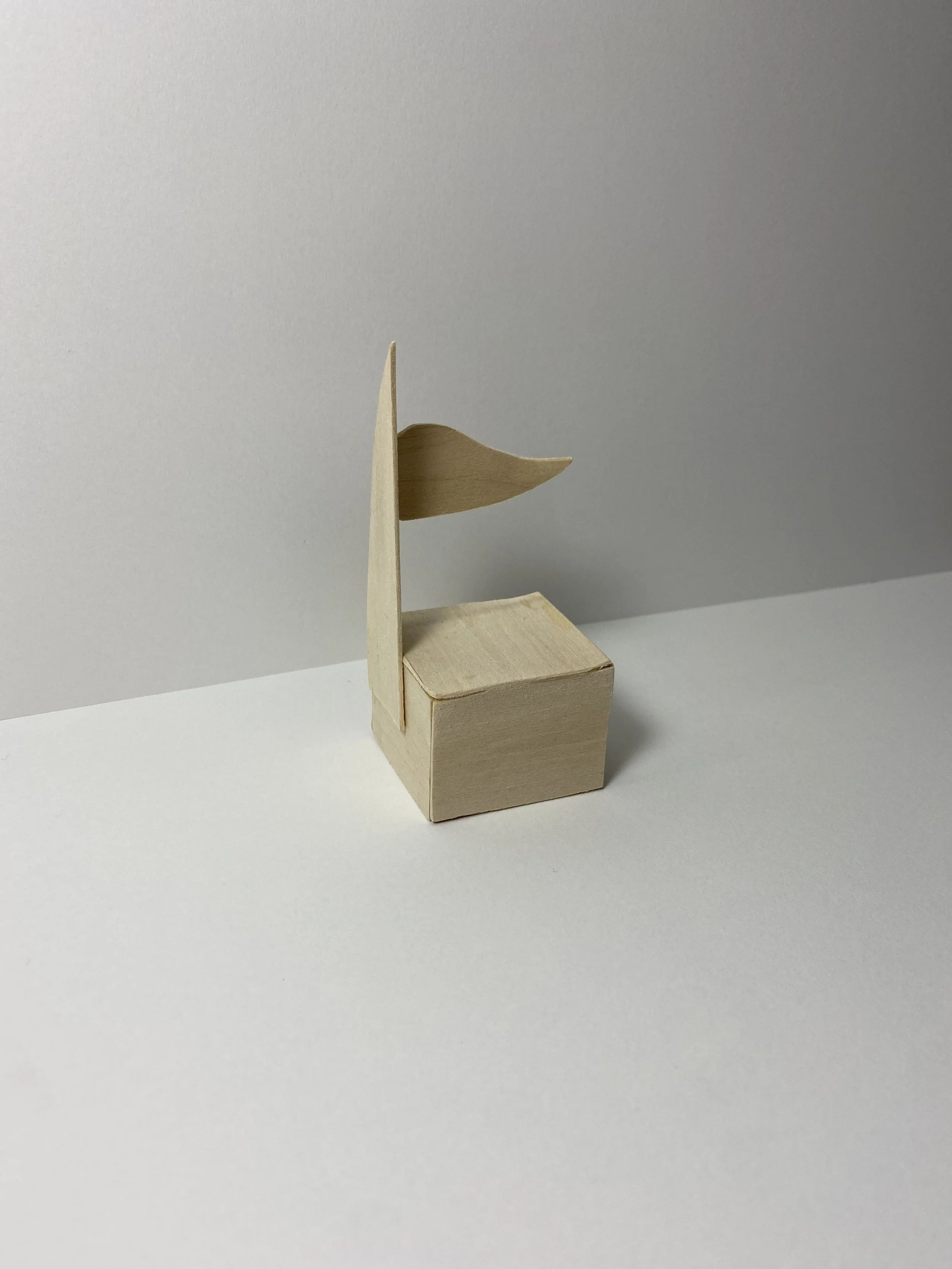
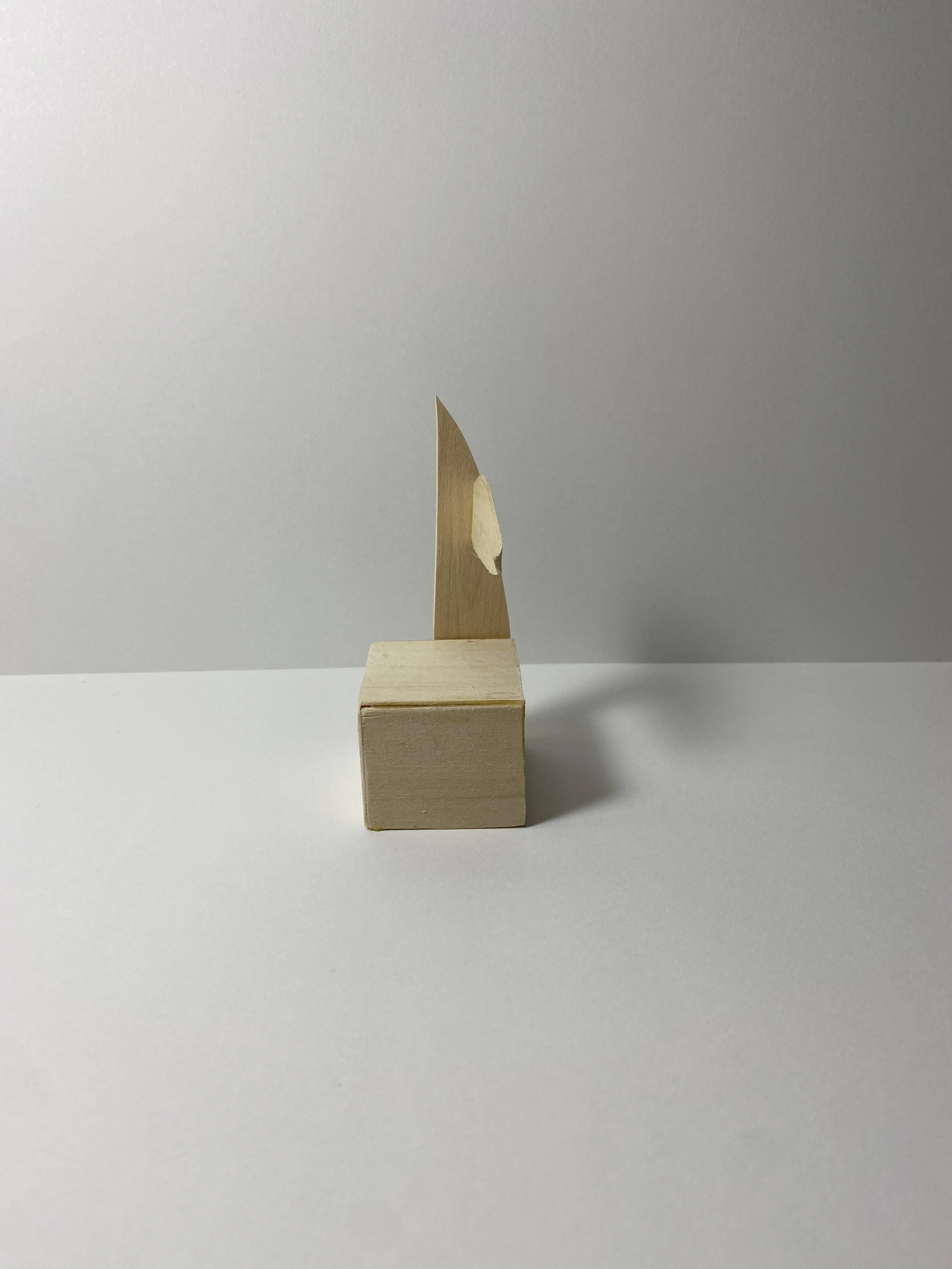
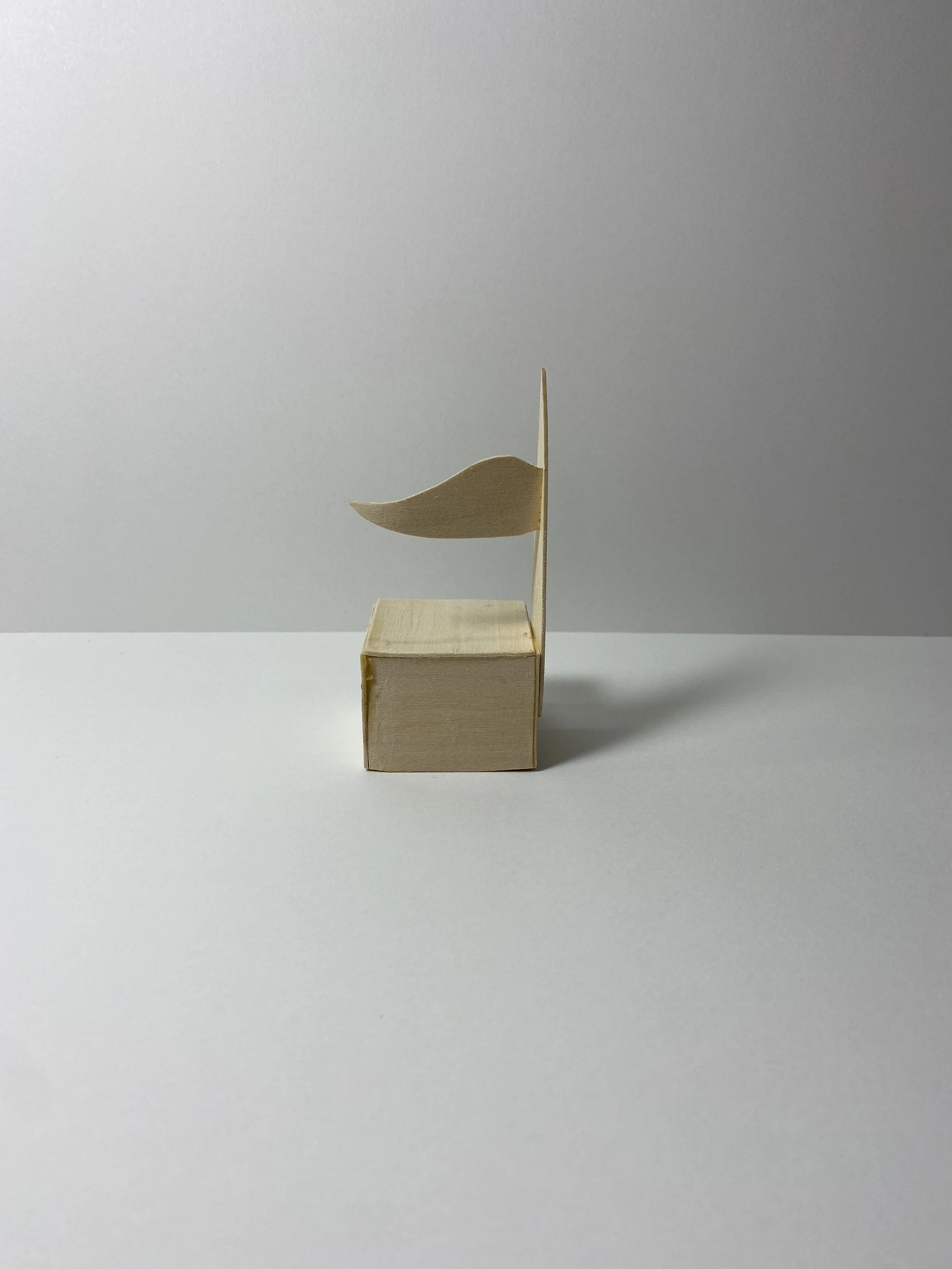
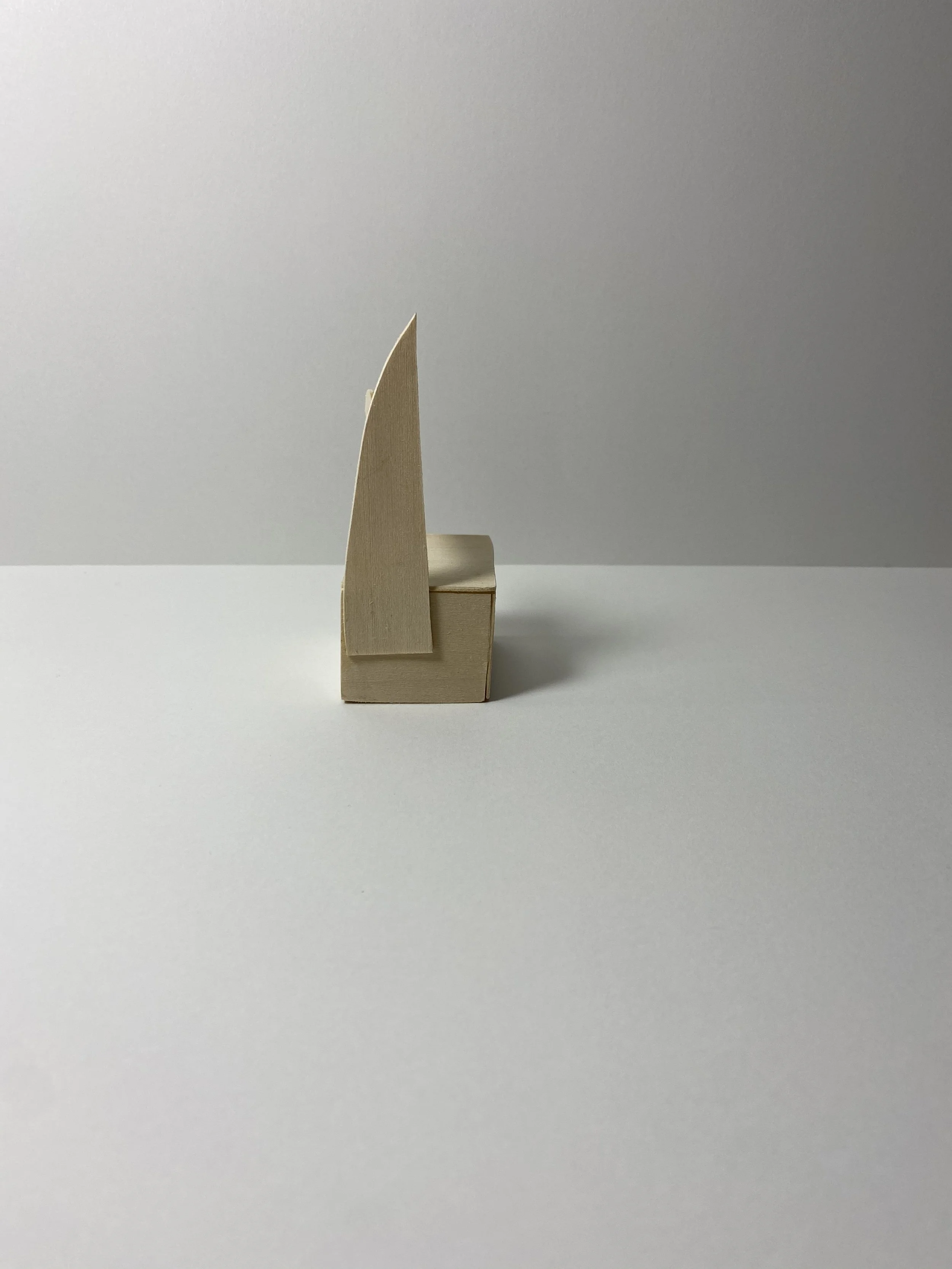
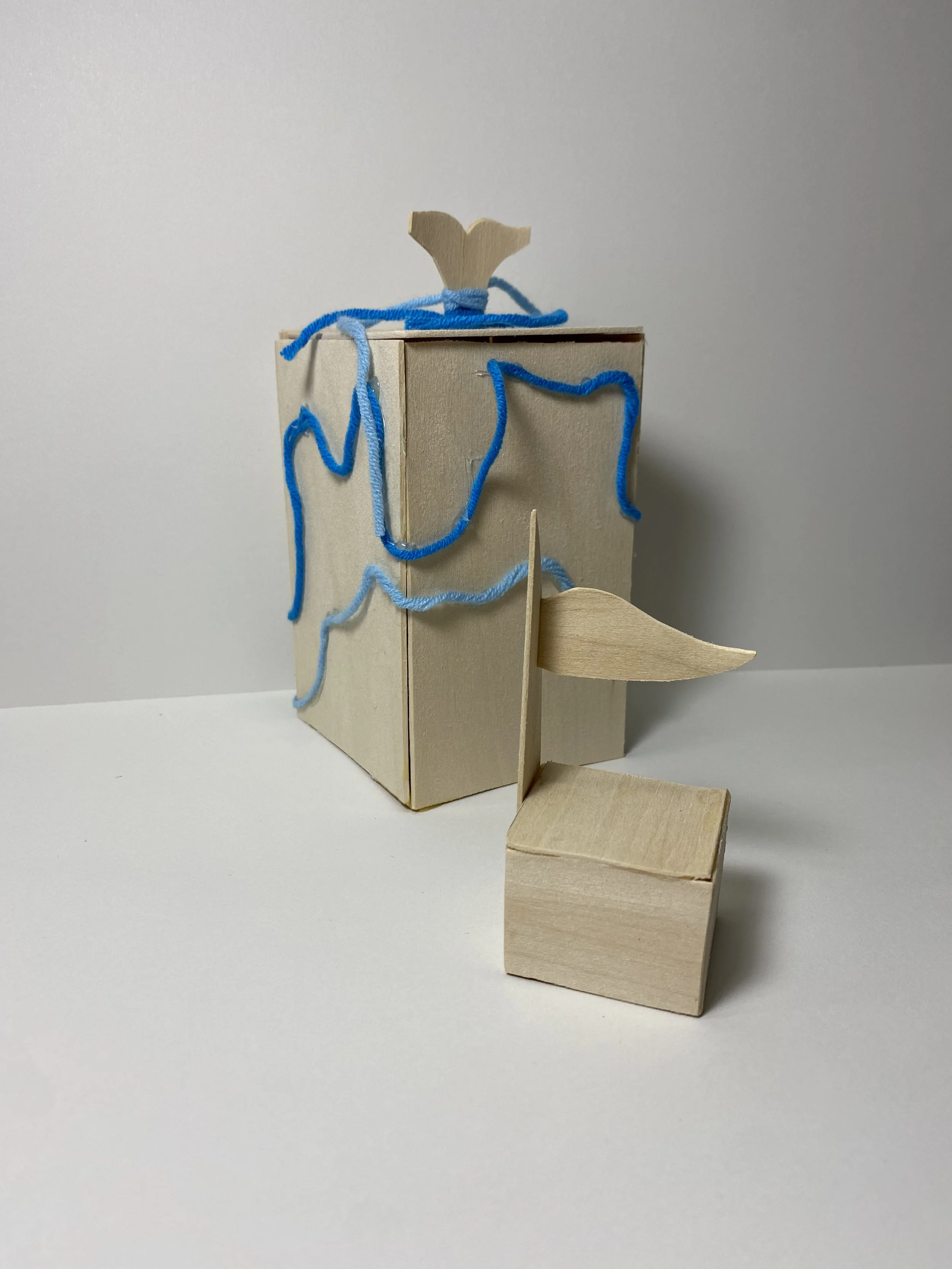
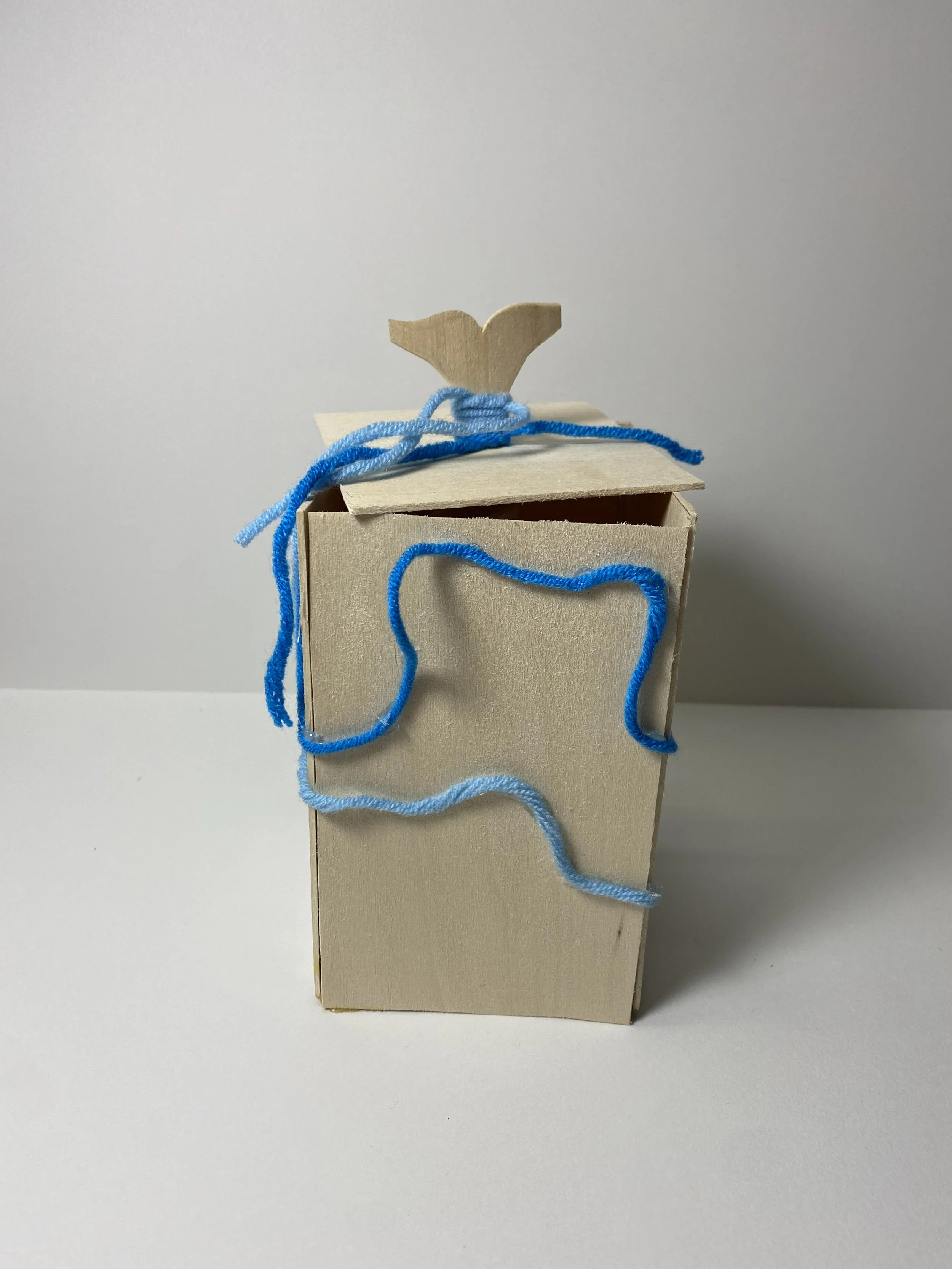
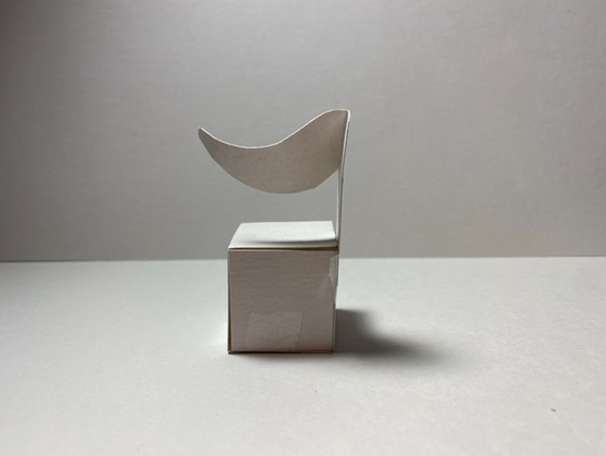
The backside and color of this chair are both representative of the Blue Whale, which was hunted to near extinction the same year the textile was made. The backside is half of. a whale tale, almost ready for an embrace. I imagine it to be a dark navy velvet: sleek and paying homage to the species without killing it off.
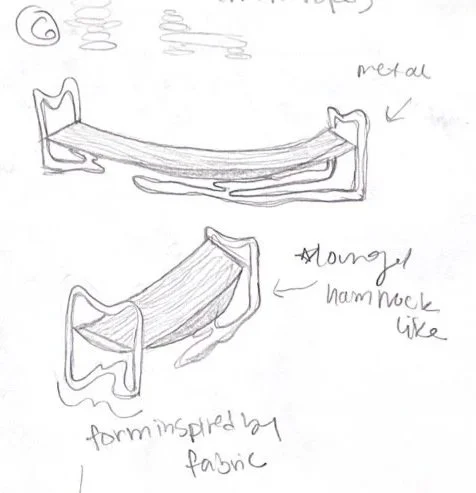
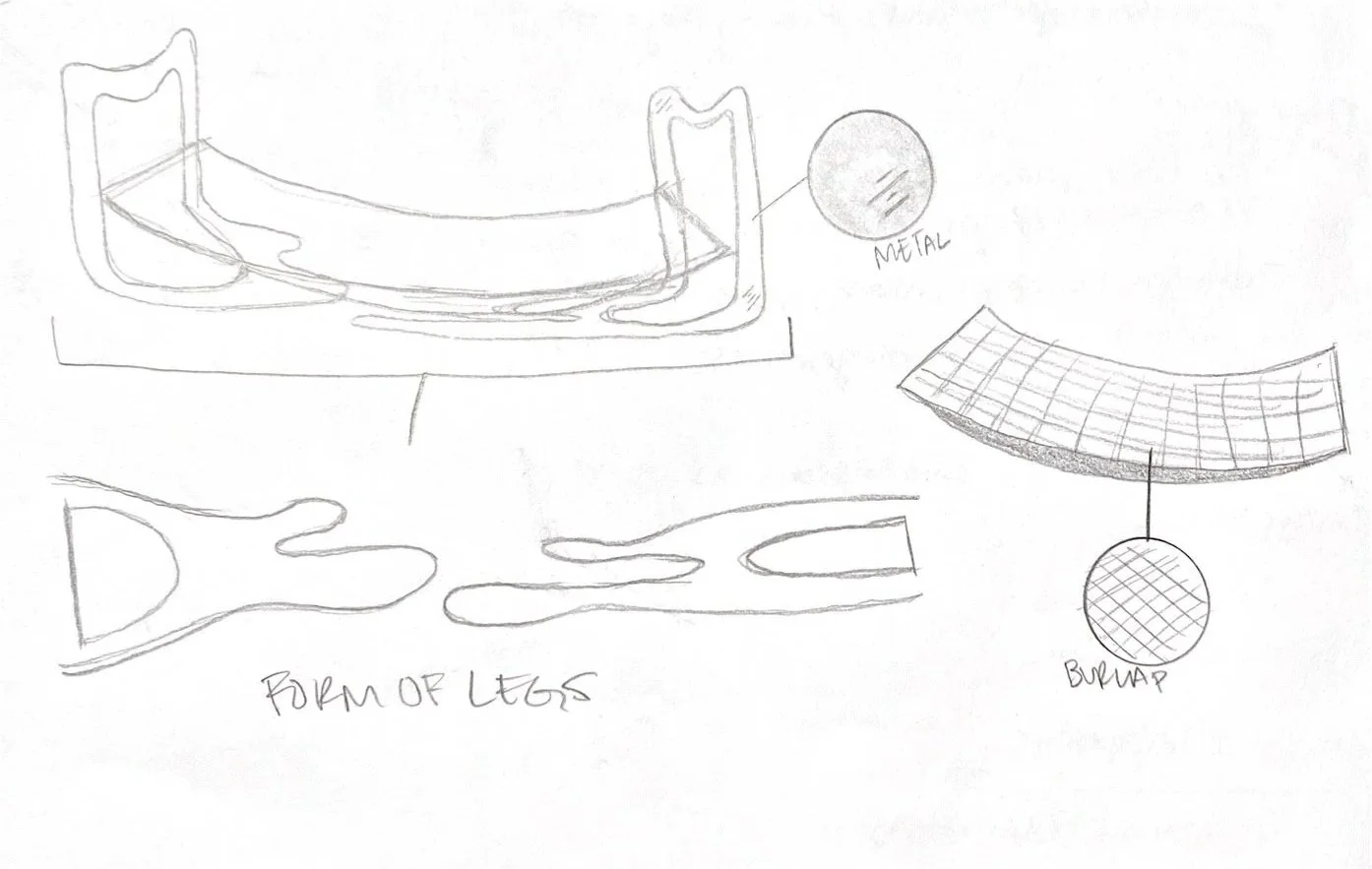
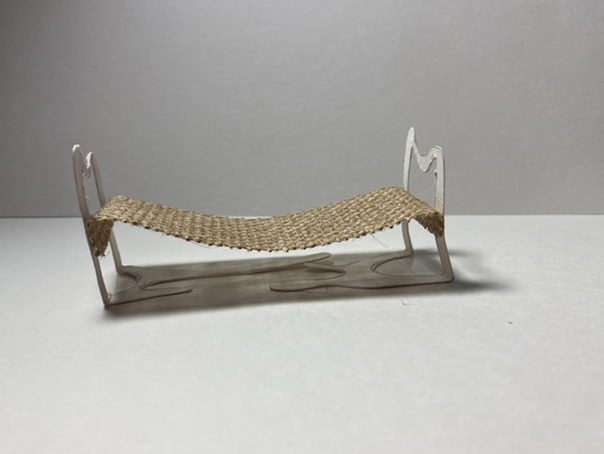
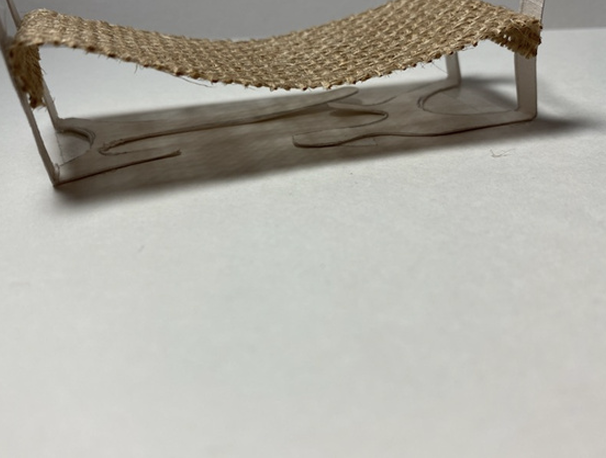
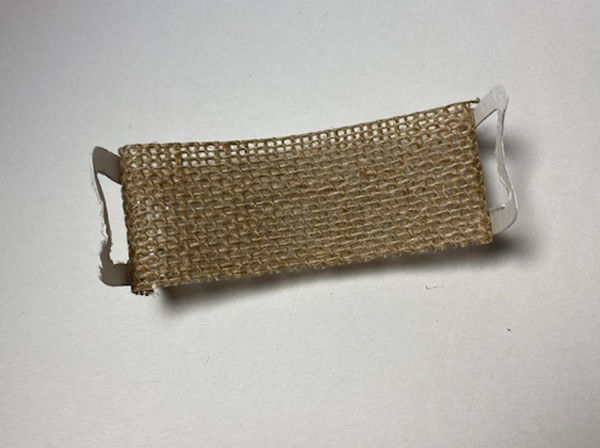
Spring is around the corner and that calls for all things that allow you to lounge in the sun. With a new approach of the hammock, this design (specifically the supports/side) is also pulled from the organic movement of the textile
No. 1
No. 3
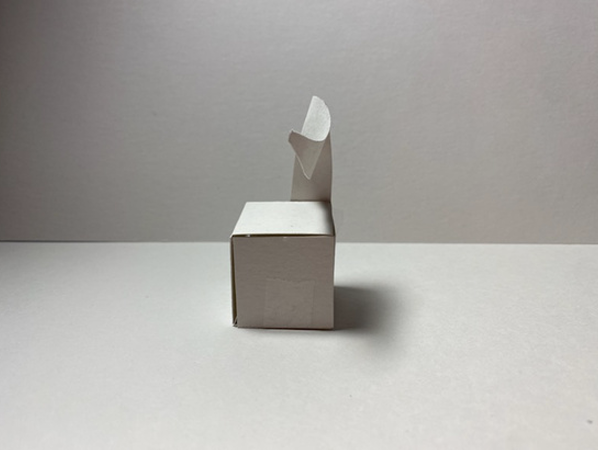
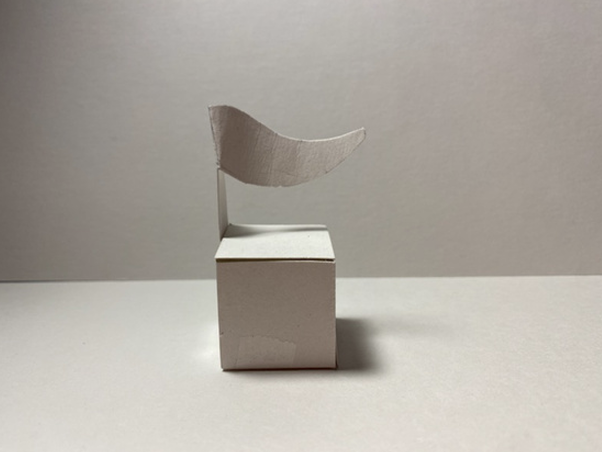
Elevations
Part 3 Thoughts
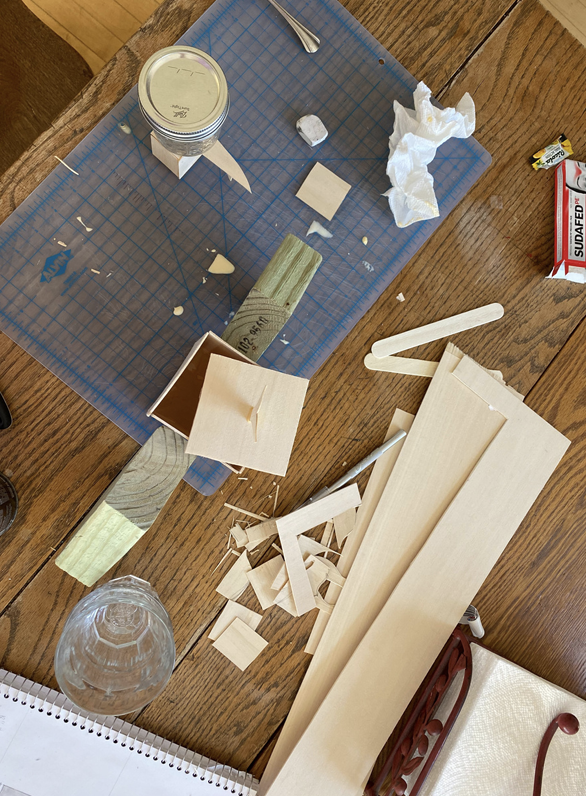
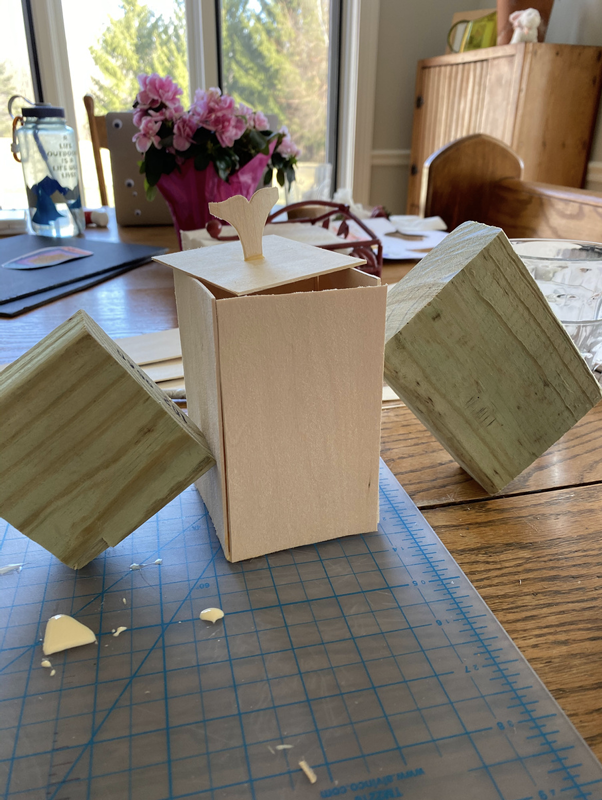
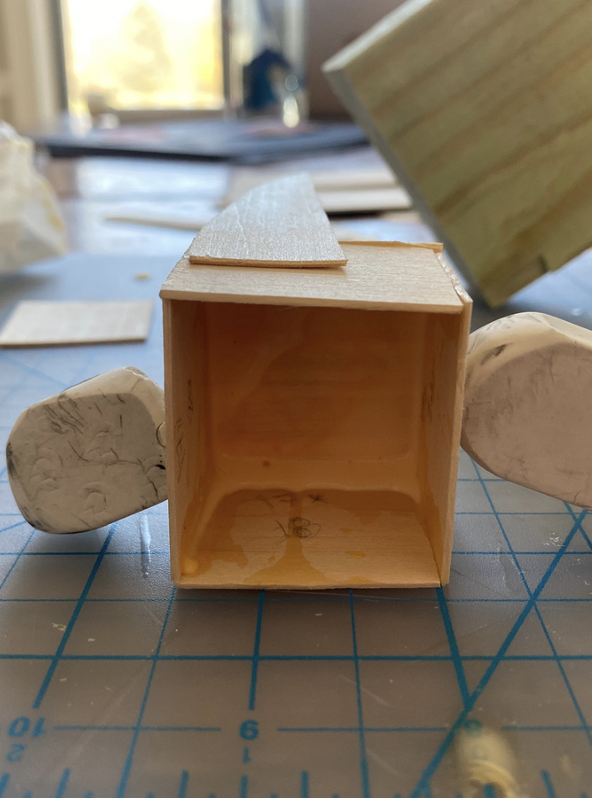
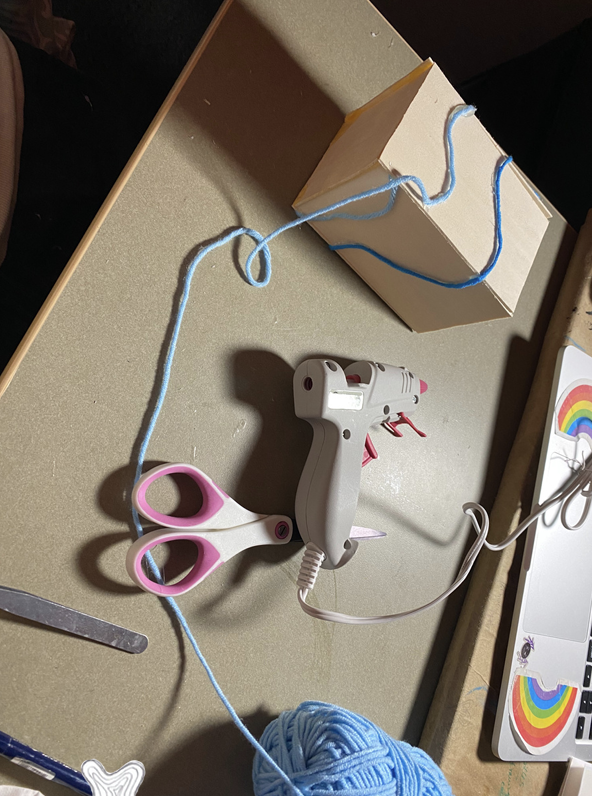
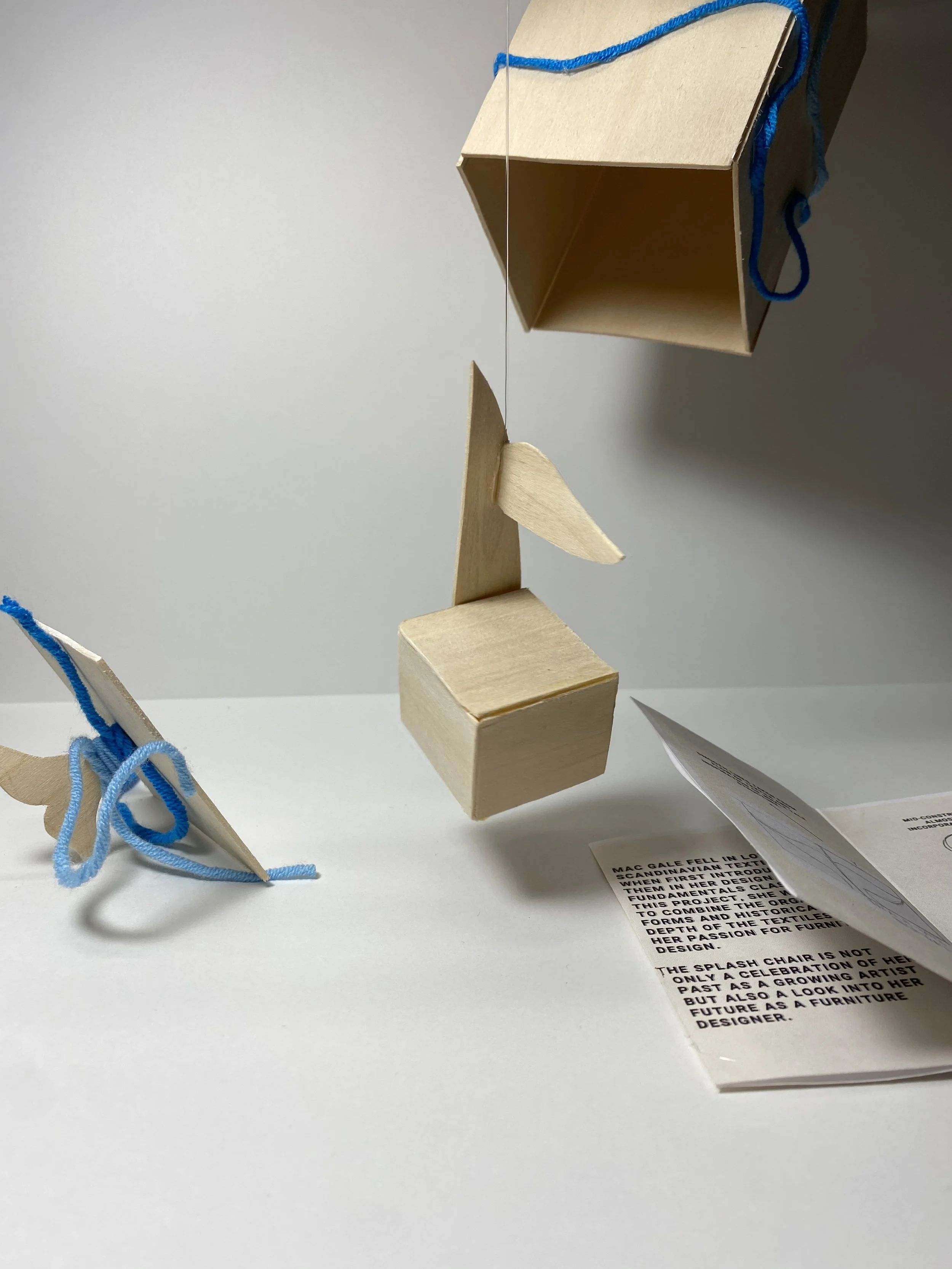
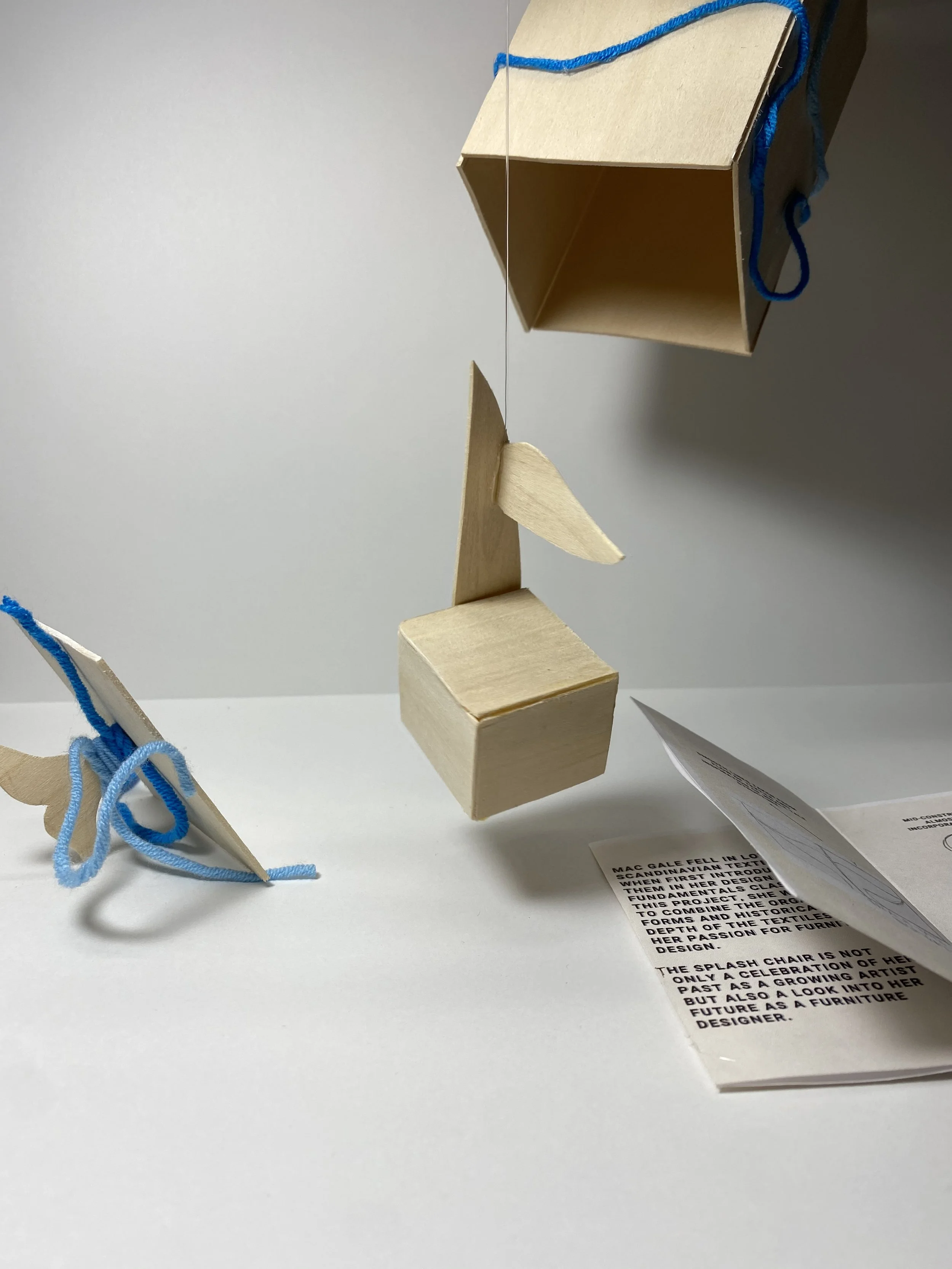
What a hilarious mess for such a tiny product! But the wooden shreds, yarn bits, and hot glue burns is the epitome of 'beauty hurts'. The elevation drawings proved to be crucial for the construction phase, as accurate dimensions not only create a scaled and proportionate product, but also make the building process go a lot faster. As I was constructing the chair, I placed the back support lower on the side piece, and a little fin was formed- a perfect addition to the whale theme. I struggled most when it came to the box construction, as finding the supports to hold the box together well enough while the paint dried was more difficult than anticipated! I decided to add the yarn for a string (pun intended) of reasons. First, the blue colors highlighted the nautical characteristic of the Blue Whale, and added color where to a very neutral canvas.
Second, movement and formations of the yarn pieces wrapping the box imitate those found in the textile studied. The added texture also gave more interest and playfulness to the set as a whole. Creating a chair that is imagined to be featured in a gift shop is such a fun project to brainstorm for, asking yourself what you would pick off the shelf and how to create a unique and refreshing design. I sense that this is the first of many projects that are more realistically, ergonomically, driven. Slowly but surely, we are building our own brands of what we study and practice.
Model Construction Process